This is legal information, not legal advice. It does not create a lawyer-client relationship. For advice about your situation, contact us for a consultation.
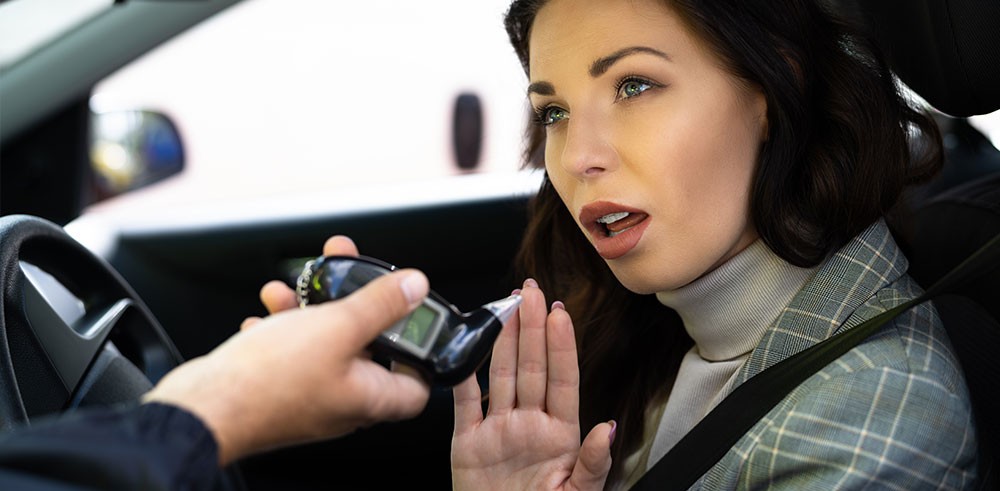
Refusing or failing to provide a breath sample is a criminal offence under section 320.15(1) of the Criminal Code, and it is punished at least as harshly as a high blood alcohol reading: the mandatory minimum fine for a first offence is $2,000, double the minimum for impaired driving. The charge does not require any proof that you were impaired. What it does require is a lawful demand and a true refusal, and those two requirements are where most refusal cases in Ontario are fought.
What is refusing a breath sample under Canadian law?
Section 320.15(1) makes it an offence to fail or refuse to comply, without a reasonable excuse, with a lawful demand made under the driving provisions of the Criminal Code. The demand can take several forms:
- A roadside breath demand into an approved screening device. Since 2018, section 320.27(2) allows police with an approved device on hand to demand a roadside sample from any lawfully stopped driver, even without suspicion of alcohol.
- An evidentiary breath demand at the station into an approved instrument, which requires reasonable grounds to believe an offence was committed.
- Demands for sobriety testing, a drug recognition evaluation, or blood samples in the appropriate circumstances.
To convict, the Crown must prove the demand was lawful, that the accused understood it, and that the accused intentionally failed or refused to comply. A refusal can be express ("I am not blowing") or inferred from conduct, such as repeated failed attempts the court finds were deliberate. The accused may raise a reasonable excuse, such as a genuine medical inability to provide a sample.
Penalties for refusing a breath sample in Ontario
- First offence: a mandatory minimum fine of $2,000 and a driving prohibition of 1 to 3 years.
- Second offence: a mandatory minimum of 30 days in jail. Third or subsequent: a mandatory minimum of 120 days.
- Maximum penalty: 10 years by indictment, or 2 years less a day on summary conviction.
The Ontario consequences mirror the other drinking and driving offences: an immediate 90-day administrative licence suspension and 7-day vehicle impoundment that take effect at the roadside on the refusal itself, a $550 administrative penalty, and on conviction a Highway Traffic Act suspension (generally 1 year for a first offence), the Back on Track program, ignition interlock, and insurance consequences. Refusal convictions are eligible for Ontario's Reduced Suspension with Ignition Interlock Conduct Review Program, whose best stream requires a guilty plea and sentence within 90 days of the offence date.
Possible defences to a refusal charge
Depending on the evidence, defences may include:
- An unlawful demand: a mandatory roadside demand made when the officer did not actually have the screening device with them, an evidentiary demand made without reasonable grounds, or a demand made outside the timing limits the law imposes. If the demand was not lawful, there is no offence in refusing it.
- Reasonable excuse: a genuine medical condition, such as a respiratory problem, that prevented providing a suitable sample, or other circumstances the law recognizes.
- No true refusal: honest but unsuccessful attempts to blow, confusing or inadequate instructions from the officer, or equipment problems being mistaken for non-compliance.
- Ambiguity and change of mind: what was said and when matters, and the law around a prompt change of heart is fact-specific.
- Charter issues: an unlawful stop or detention under section 9, a search issue under section 8, or a violation of the right to counsel under section 10(b) in connection with the station demand.
- Delay: unreasonable delay under section 11(b) of the Charter and the Jordan framework.
Frequently asked questions
Is refusing the breathalyzer better than blowing over?
No. Refusal carries a higher mandatory minimum fine ($2,000) than a basic over 80 conviction and all of the same licence and insurance consequences in Ontario. Refusing does not avoid a criminal charge; it usually becomes the charge.
Can police demand a breath sample without any reason?
At the roadside, yes, in one specific sense: since 2018, an officer with an approved screening device can demand a sample from any lawfully stopped driver without suspicion of drinking. The station breath demand is different and requires reasonable grounds to believe an offence occurred.
What counts as a refusal?
A clear verbal refusal counts, but so can conduct: walking away, stalling, or repeated attempts the court finds were deliberately inadequate. Whether failed attempts were genuine or fake is often the central issue at trial.
What if I could not blow for medical reasons?
A genuine medical inability to provide a suitable sample can amount to a reasonable excuse, which is a defence to the charge. Medical records and expert evidence often matter, and the issue is assessed on the facts of each case.
Will I go to jail for a first refusal offence?
Generally no. A first conviction carries the $2,000 mandatory minimum fine rather than mandatory jail, although jail is available where there are aggravating circumstances. Repeat convictions carry mandatory jail.
Can a refusal charge be beaten?
Many refusal charges in Ontario are successfully defended, most often by challenging the lawfulness of the demand, the fairness of the process, or whether there was a true refusal at all. Outcomes depend on the specific evidence, including any video of the interaction.
Charged with refusing a breath sample? Contact us
This is legal information, not legal advice. It does not create a lawyer-client relationship. For advice about your situation, contact us for a consultation.
Sewrattan Criminal Lawyers defends refusal and failure to provide charges across Toronto and Ontario. Contact us for a consultation: 416-583-1510 ext. 2. Related pages: Impaired Driving and Driving Over 80.